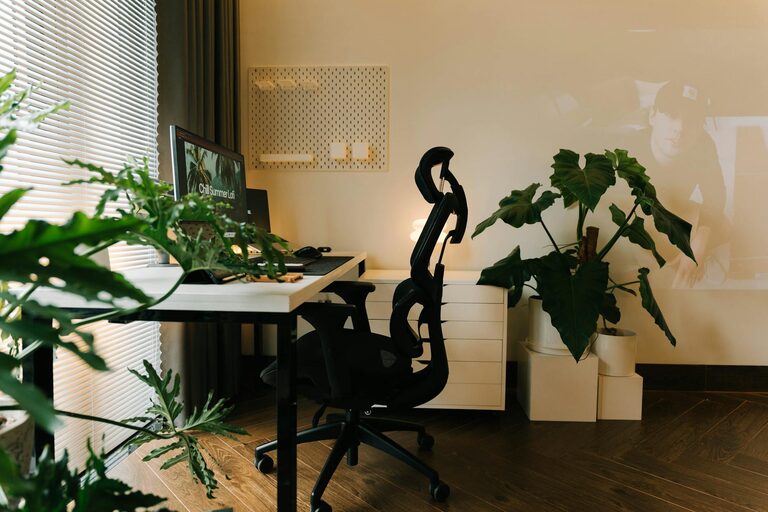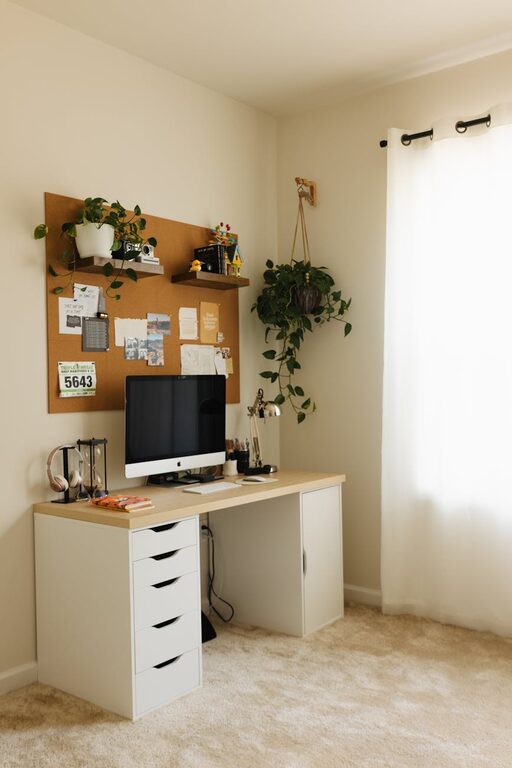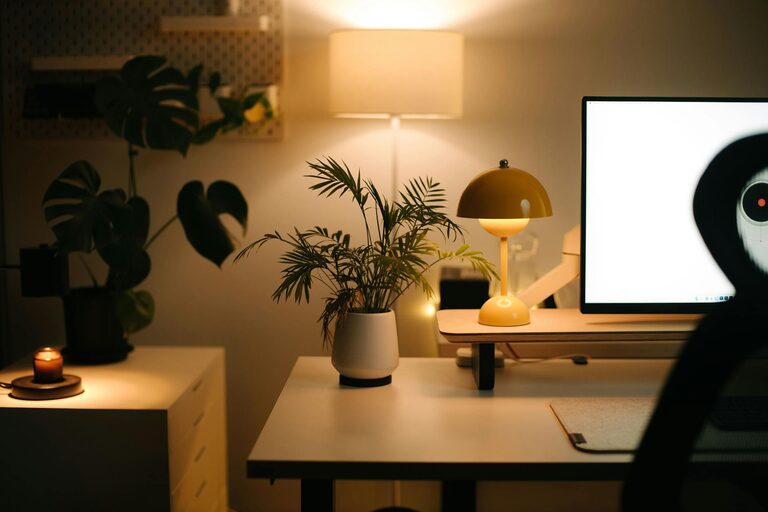

Creating a home office that feels cozy and keeps you productive can be a real game changer. Whether you work remotely full-time or occasionally need a quiet space for focused tasks, your environment plays a crucial role. A well-designed workspace can improve concentration, reduce stress, and make your workday more enjoyable. Here are some practical tips to help you design a home office that balances comfort with efficiency.
Choose the Right Location
Your home office should ideally be in a quiet spot away from high-traffic areas. Consider a spare bedroom, a nook in your living room, or even a corner of the bedroom. The key is to minimize distractions and ensure you can work without interruptions.
Factors to keep in mind:
– Natural light: Set up near windows if possible to improve mood and alertness.
– Ventilation: Fresh air helps keep your mind clear.
– Privacy: Choose a spot where family members or roommates won’t disturb you frequently.
Prioritize Comfort with Ergonomic Furniture
Investing in ergonomic furniture is essential for both comfort and health. Since you might spend many hours at your desk, proper support helps prevent discomfort and potential injuries.
Desk and Chair Tips:
– Choose a desk with enough space for your computer, paperwork, and supplies.
– Opt for an adjustable chair that supports your lower back.
– Consider a footrest if your feet don’t rest flat on the floor.
– Keep your screen at eye level to avoid neck strain.
Ergonomic accessories like wrist rests and keyboard trays can also enhance your setup.
Use Soothing Colors and Personal Touches
Colors influence mood, so select paint or decor in calming hues such as soft blues, greens, or neutrals. These shades promote focus and soothe anxiety.
Add Personal Elements:
– Hang artwork or photos that inspire you.
– Display plants to add life and freshen the air.
– Use cozy textiles like cushions or throws for warmth.
Personalizing your space helps it feel inviting, which can encourage you to spend more time being productive.
Organize with Practical Storage Solutions
Clutter can quickly reduce your ability to concentrate. Keeping your workspace tidy and organized makes it easier to find what you need and foster a calm environment.
Storage Ideas:
– Use shelves or cabinets for books and supplies.
– Keep frequently used items within arm’s reach.
– Use desk organizers or trays to separate paperwork.
– Consider cable management tools to avoid messy cords.
Regularly declutter your space to maintain a clean, efficient office.
Optimize Lighting for Focus and Comfort
Good lighting reduces eye strain and lifts your mood, both essential for productivity.
Lighting Tips:
– Combine natural daylight with adjustable artificial lighting.
– Use a desk lamp with warm light for tasks requiring focus.
– Avoid harsh overhead lights that can cause glare.
– Consider smart bulbs to change brightness throughout the day.
Creating layered lighting lets you adapt your workspace depending on the time and type of work.
Incorporate Technology Wisely
Choose technology that supports your workflow without adding distractions.
– Use a reliable computer or laptop with the right software.
– Invest in a quality headset or microphone if you attend calls regularly.
– Consider dual monitors to improve multitasking.
– Use apps or tools that help organise your tasks and deadlines.
Ensure your internet connection is strong to avoid frustrations during video calls or downloads.
Create a Routine and Boundaries
Even the best office setup needs structure.
– Set working hours and try to stick to them.
– Use a signal like closing a door or wearing headphones to indicate work time.
– Take breaks to stretch, hydrate, and rest your eyes.
– Separate work from leisure by limiting work to your office space.
Having a clear boundary between work and home life helps maintain balance and reduces burnout.
Add Comfort Features for Break Times
Include a spot for short breaks within or near your office to recharge.
– A comfortable chair or small sofa.
– Access to a beverage station with tea, coffee, or water.
– Inspirational books or hobby materials.
Taking brief, refreshing breaks supports long-term productivity.
Final Thoughts
Designing your home office with both comfort and productivity in mind doesn’t have to be complicated or expensive. By choosing the right location, focusing on ergonomics, keeping things organized, and personalizing your space, you create an environment that helps you work effectively while feeling relaxed and motivated. Remember that your office should evolve with your needs — stay flexible and make adjustments as you learn what works best for you. With these tips, you’re well on your way to enjoying a cozy and productive home office space.