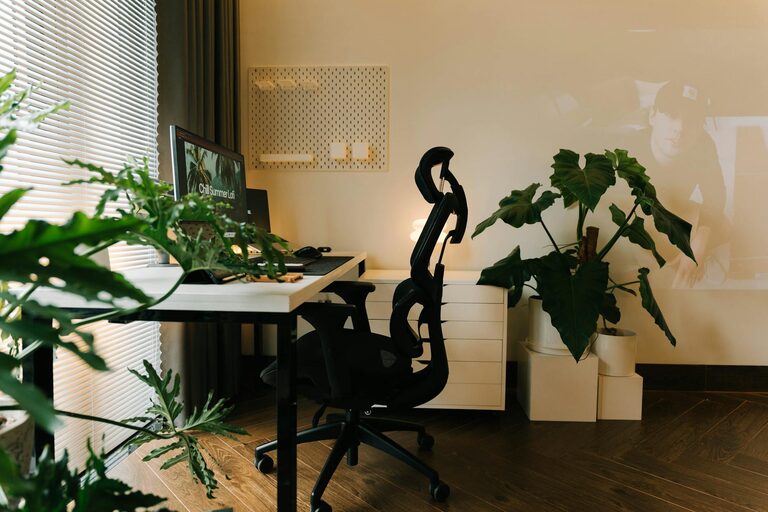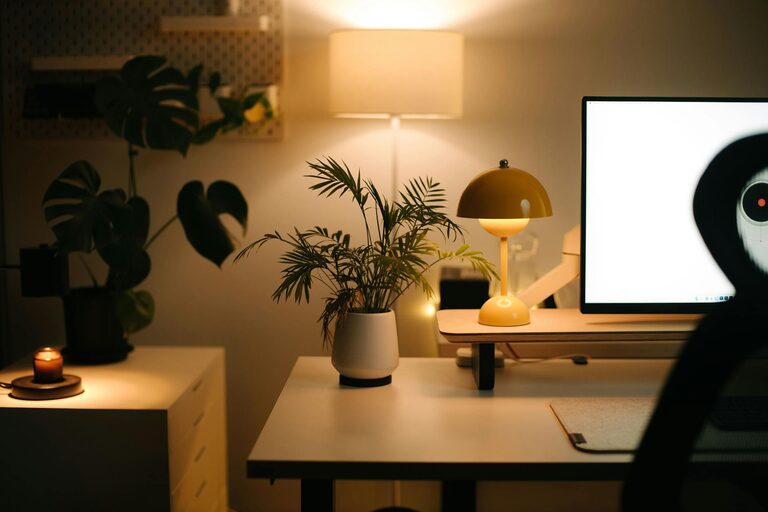
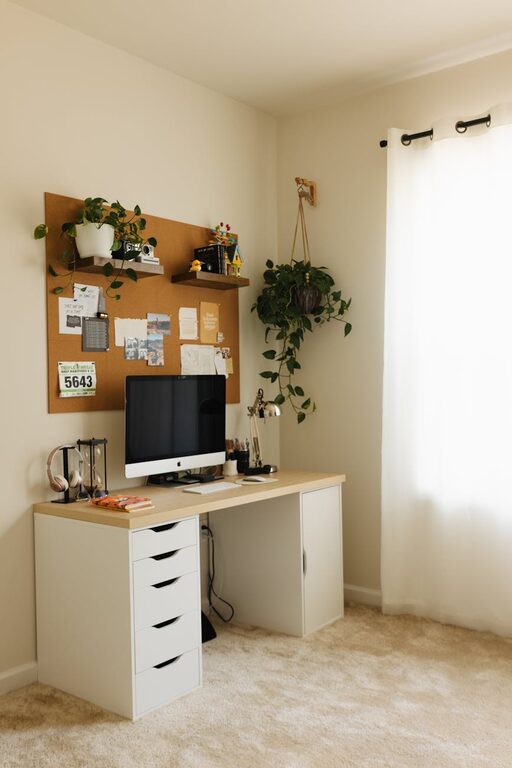
Creating a relaxing home office environment is essential for maintaining focus, reducing stress, and improving overall productivity. Whether you work remotely full-time or occasionally, your workspace plays a crucial role in how you feel and perform throughout your day. Here are practical tips to help you design a calming and comfortable home office that supports your well-being.
Choose the Right Location
The first step in creating a relaxing home office is selecting the best spot in your home. Ideally, find a space with:
– Natural light: Sunlight improves mood, energy, and focus. Position your desk near a window if possible.
– Quiet surroundings: Avoid areas with frequent noise or distractions like kitchens or TV rooms.
– Adequate space: Ensure you have enough room to move, store materials, and set up your equipment comfortably.
If space is limited, consider using room dividers or noise-cancelling headphones to create separation from household activities.
Invest in Comfortable and Functional Furniture
Comfort is key to maintaining relaxation during long working hours. Focus on furniture that supports both your body and workflow:
– Ergonomic chair: Choose a chair with good lumbar support and adjustable height to prevent strain.
– Appropriate desk: Your desk should be at a height that allows your arms to rest comfortably while typing.
– Monitor setup: Place your monitor at eye level to avoid neck tension.
– Storage solutions: Use shelves, drawers, and organizers to keep your space tidy and clutter-free.
Comfortable furniture helps reduce physical discomfort, supporting a more relaxed state during work.
Keep Your Space Organized and Clutter-Free
A clean and organized workspace promotes calmness and efficiency. Here are ways to stay organized:
– Declutter regularly: Remove unnecessary papers, tools, or gadgets that don’t serve your daily tasks.
– Use organizers: Desk trays, cable organizers, and file holders keep essentials neat and accessible.
– Minimalist design: Limit decorative items to a few meaningful pieces to avoid visual overload.
An uncluttered environment can reduce stress and help you focus better on your work.
Personalize with Calming Elements
Adding personal touches can make your home office feel welcoming and peaceful. Consider including:
– Plants: Indoor plants improve air quality and bring a touch of nature indoors, which can boost mood.
– Soft lighting: Use lamps or light bulbs with warm tones instead of harsh overhead lights.
– Artwork and decor: Choose calming images or colours that inspire you without distracting.
– Aroma: Light scents like lavender or eucalyptus with candles or diffusers can create a soothing atmosphere.
Personalising your space in a mindful way helps you feel more comfortable and relaxed.
Incorporate Healthy Habits into Your Workspace
Your office environment should encourage healthy work routines. Try these practices:
– Regular breaks: Use timers to remind yourself to stand, stretch, or walk around every hour.
– Hydration station: Keep a water bottle at your desk to stay hydrated.
– Ergonomic stretches: Gentle stretches targeting your neck, shoulders, and wrists can relieve tension.
– Good air circulation: Open a window or use a fan to maintain fresh air flow.
These habits not only support relaxation but also promote physical health and mental well-being.
Use Technology Wisely
While technology is essential for work, it can also contribute to stress if mismanaged. To keep tech use relaxed:
– Organise your desktop: Use folders and apps to keep files easy to find.
– Limit notifications: Turn off non-urgent alerts that interrupt your focus.
– Use headphones: Noise-cancelling headphones can help block distracting noises.
– Digital wellbeing apps: Explore apps that remind you to take breaks or practice mindfulness.
Being intentional with how you use technology can help reduce overwhelm and maintain a calm workflow.
Set Boundaries Between Work and Home Life
One challenge of working from home is separating professional and personal time:
– Defined work hours: Establish consistent start and end times for your workday.
– Dedicated workspace: Avoid working from bed or couch to maintain mental separation.
– Clear signals: Use signs or cues to let family members know when you are working.
– After-hours routine: Develop habits that signal the end of the workday, such as shutting down your computer or tidying your desk.
Clear boundaries help you relax better outside work hours and avoid burnout.
Final Thoughts
Creating a relaxing home office environment doesn’t require a big budget or extensive renovations. By choosing the right location, investing in comfortable furniture, staying organized, personalising with calming touches, adopting healthy habits, managing technology thoughtfully, and setting clear boundaries, you can transform your workspace into a peaceful haven. This nurturing environment encourages focus, reduces stress, and supports your productivity — making your work-from-home experience much more enjoyable.