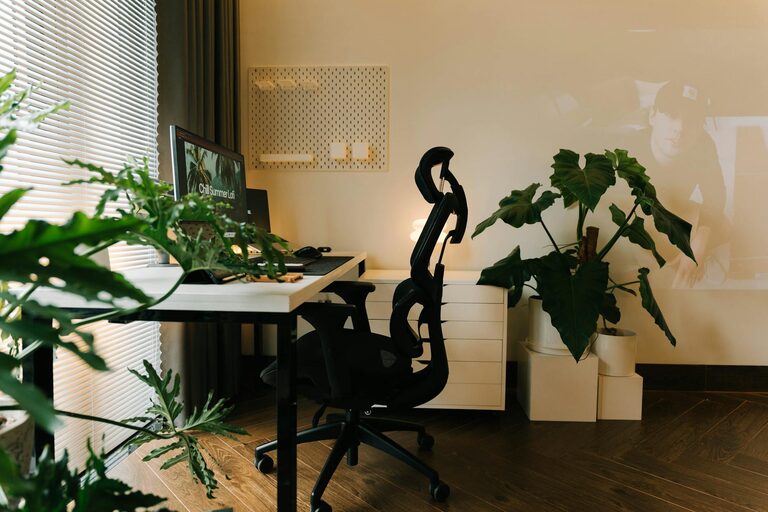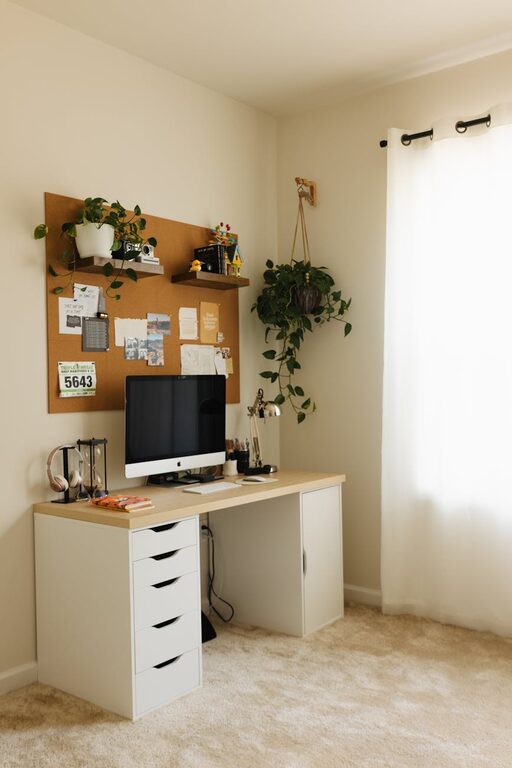
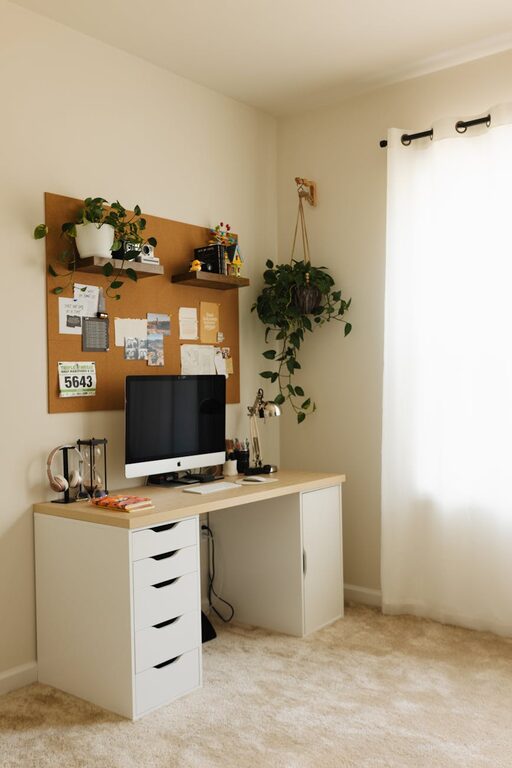
Setting up a home office that feels both cozy and productive can be a game-changer for your work-from-home routine. Whether you’re freelancing, managing a side project, or working for an employer remotely, having a dedicated space that inspires focus and comfort is essential. In this post, we’ll explore practical tips to create a home office environment that balances functionality with warmth and calm.
Why a Cozy and Productive Home Office Matters
When your workspace is inviting, you’re more likely to enjoy your workday. Comfort reduces distractions caused by discomfort or clutter. Productivity rises when your environment supports focus and efficient workflow. Creating this balance isn’t complicated—it’s about thoughtful design, organisation, and a few personal touches.
—
1. Choose the Right Location
Finding the right spot in your home is step one.
– Natural light: Pick a space near a window if possible. Daylight uplifts mood and supports alertness.
– Quietness: Select an area with minimal noise disruptions.
– Privacy: Ensure the location offers privacy, so you can concentrate and attend calls without interruption.
Even a small corner of a room can work well if set up properly.
—
2. Invest in Comfortable and Supportive Furniture
Your furniture plays an essential role in comfort and productivity.
– Ergonomic chair: Choose a chair that supports your back and encourages good posture.
– Desk size: Pick a desk large enough for your work essentials but not overcrowded.
– Adjustability: Consider adjustable desks that allow switching between sitting and standing.
Comfortable furniture helps prevent fatigue, improving concentration and overall well-being.
—
3. Declutter and Organize
A tidy workspace fosters clarity.
– Storage solutions: Use shelves, drawers, and organizers to keep supplies out of sight but accessible.
– Digital organisation: Keep your computer desktop clean and use apps to manage tasks efficiently.
– Daily reset: Spend a few minutes at the end of each day tidying your area.
Organising your space reduces distractions and saves time searching for materials.
—
4. Personalise Your Space Thoughtfully
Adding personal touches makes your office feel welcoming.
– Plants: Small indoor plants improve air quality and create a calming vibe.
– Artwork or photos: Choose visuals that inspire or relax you.
– Colour scheme: Gentle colours like soft blues, greens, or warm neutrals help maintain focus.
Avoid overcrowding your desk with too many items—keep it balanced.
—
5. Control Lighting Effectively
Proper lighting reduces eye strain and sets a productive mood.
– Layer your lighting: Combine natural light with ambient and task lighting.
– Adjust brightness: Use adjustable lamps or dimmers to fit different times of day.
– Reduce glare: Position screens to avoid reflections from windows or lights.
Good lighting supports comfort during long hours of work.
—
6. Minimise Distractions
Create an environment that helps you stay focused.
– Sound management: Use noise-cancelling headphones or background music to mask household noises.
– Clear boundaries: Communicate work hours with family or roommates to minimise interruptions.
– Digital focus tools: Use apps that block distracting websites during work periods.
Setting up these boundaries is key to maintaining productivity.
—
7. Keep Essentials Within Reach
Maximise efficiency by having what you need close at hand.
– Desk organisation: Keep frequently used items like notepads, pens, and chargers nearby.
– Cable management: Use clips or boxes to keep cords organized and off your workspace.
– Refreshments: Have a water bottle or tea nearby to stay hydrated without breaking focus.
This convenience supports smoother workflows and reduces unnecessary breaks.
—
8. Incorporate Movement and Breaks
A healthy workspace encourages movement.
– Stretch reminders: Set timers to stand, stretch, or take short walks regularly.
– Flexible space: If possible, include an area to do some light exercises or relaxation techniques.
– Comfort breaks: Balance work and breaks to maintain energy levels.
Movement refreshes both body and mind during the workday.
—
Final Thoughts
Creating a home office that is both cosy and productive doesn’t require a complete overhaul of your space. Simple changes such as selecting the right location, choosing ergonomic furniture, organising your materials, and personalising your environment go a long way. Combined with effective lighting, quiet surroundings, and healthy work habits, you can design a workspace that supports your best work and comfort every day.
Remember, your ideal office should reflect your unique work style and needs. Experiment with these tips to find what makes your home office not just productive, but also a pleasant place to spend time.
—
We hope these tips inspire you to transform your home office space. Happy decorating and productive working!